The cancellation of India's medical entrance examination has plunged over two million aspiring doctors into a state of acute distress, forced to sit what is considered one of the nation's most gruelling academic challenges a second time through circumstances beyond their control. The National Eligibility cum Entrance Test, administered on May 3, was invalidated following widespread allegations that question papers had been leaked in advance through social media channels. Students who invested months or years in preparation now face an unexpected retake scheduled for June 21, compounding psychological strain in a cohort already battling extraordinary competitive pressure.
The stakes in this examination are extraordinarily high within India's medical education system. Only between 5 and 6 per cent of test takers ultimately secure admission to medical schools, meaning the vast majority of candidates face rejection despite their efforts. This exceptionally low success rate transforms what should be a routine assessment into an existential hurdle for young people pursuing healthcare careers. The scrapping of the May examination effectively reset the clock for millions, erasing their preparation and forcing them to psychologically reset and refocus within weeks.
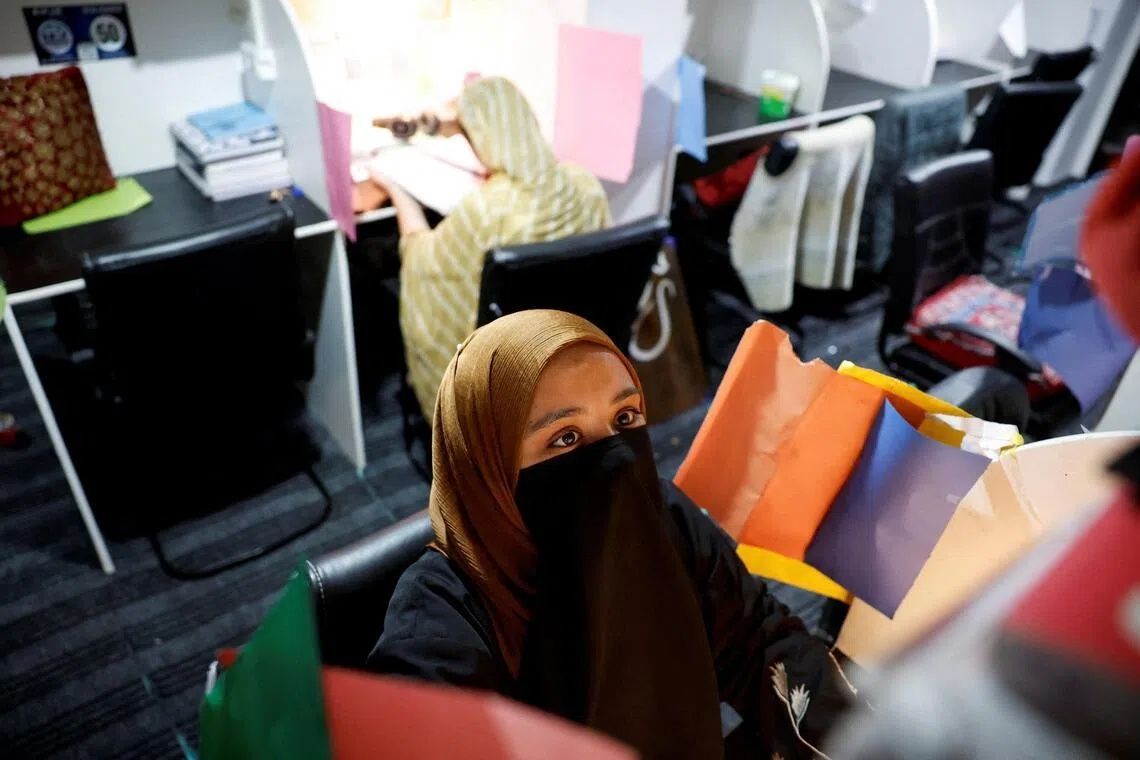
Individual students articulate the profound emotional toll this situation has inflicted. Alima Javed, a 20-year-old from Srinagar, encapsulates the frustration felt across the candidate base, describing how years of concentrated study culminated in the devastating discovery that her examination would not count due to institutional failure rather than personal shortcoming. The distinction matters profoundly to candidates who invested enormous personal sacrifice for what they believed was their opportunity. This sense of injustice has crystallised into visible discontent, with scores of demonstrations erupting across New Delhi and other major cities, drawing hundreds of protesting students and transforming an educational crisis into a significant political liability for Prime Minister Narendra Modi's government.
The human cost extends beyond stress and disappointment. While difficult to independently verify, multiple reports and claims have emerged suggesting that some students have taken their own lives in response to the exam crisis and associated pressure. Opposition politicians and sections of the media have seized upon these tragic allegations to criticise the administration's handling of the examination system. Whether these claims represent isolated incidents or a broader pattern remains contested, but they underscore how high-stakes examination systems can intersect with vulnerable mental states among young people already experiencing intense academic pressure.
Education Minister Dharmendra Pradhan has sought to reassure candidates and address public concern by pledging that the rescheduled examination will be conducted with absolute fairness and complete transparency. However, confidence in institutional assurances has been severely damaged by the examination leak, leaving many students sceptical about whether sufficient safeguards have genuinely been implemented. This credibility gap between official reassurances and public trust represents a significant challenge for the government in managing the retake process.
The government's response to security vulnerabilities has included controversial measures aimed at preventing future breaches. Authorities ordered a temporary blockade of the messaging application Telegram, citing its encrypted communication features and the ease with which blocked channels can be recreated as facilitating cheating networks. This decision drew sharp criticism from digital rights advocates and free speech defenders, who contend that restricting access to communication platforms represents an excessive and heavy-handed intervention. On June 19, an Indian court ruled that the government's action was legally justified and proportionate, though the decision failed to mollify concerns about surveillance and state control of digital platforms.
Behind the scenes, law enforcement has mobilised a comprehensive multi-agency investigation into the alleged paper leak. Authorities are attempting to trace the leak's origins and are scrutinising financial transactions that may indicate involvement by organised cheating networks. Multiple arrests have already been made across several states, and government officials have signalled that violators will face substantially harsher penalties than those previously imposed for examination misconduct. This enforcement approach seeks to deter future tampering and demonstrate to the student body that the system takes examination integrity seriously.
The government has simultaneously announced a package of technical and procedural enhancements designed to fortify examination security. These measures encompass intensified surveillance at examination centres, more stringent protocols governing how question papers are managed and transported, and the introduction of digital tracking systems to monitor papers throughout the testing process. While these initiatives represent concrete steps to address past vulnerabilities, many candidates report that knowing about security improvements has done little to diminish the psychological burden they are experiencing.
Among affected students, mental health impacts are plainly evident. Aliya Jalaal, also aged 20, describes how anticipation of the retake has triggered such severe anxiety that she has sought professional psychiatric intervention. Her experience reflects a broader pattern whereby students who felt reasonably confident about their initial performance now confront the traumatic prospect of sitting the examination again, reintroducing uncertainty into what appeared to be a concluded ordeal. The psychological cost of this reversal extends beyond academic stress into clinical mental health territory, with students requiring professional support to manage anxiety and emotional disturbance.
For Malaysian and Southeast Asian observers, India's examination crisis offers sobering lessons about the dangers of inadequately secured high-stakes testing systems and the psychological vulnerability of students competing within ultra-competitive educational environments. The incident illustrates how systemic failures in examination administration can cascade into broader social and political consequences, affecting not just individual candidates but public confidence in institutions. The controversy also highlights tensions between security imperatives and digital rights in contexts where governments assert broad powers to restrict online platforms. As examination systems across the region grow increasingly important for determining educational and career trajectories, the Indian experience serves as a cautionary example of what can occur when institutional safeguards prove inadequate or when external actors identify opportunities to compromise testing integrity.