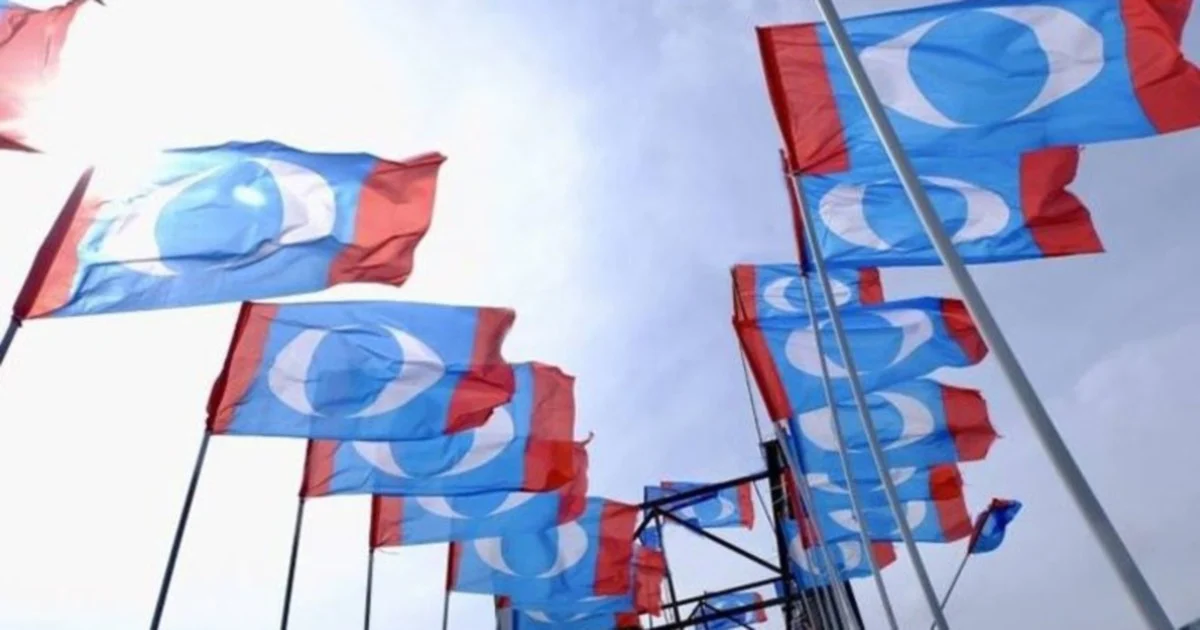
People's Justice Party (PKR) is on the final stretch of its candidate selection process, with nearly all slots filled for the upcoming state elections in Johor and Negri Sembilan. Party secretary-general Datuk Dr Fuziah Salleh disclosed that the candidate list has reached 99 per cent completion, indicating the organisation is approaching the announcement phase of its electoral lineup.
The advanced stage of candidate finalisation comes as PKR, a key coalition partner in the governing Pakatan Harapan alliance, prepares for what could be significant electoral contests in two resource-rich states. Johor remains a strategically important state with a substantial voter base, while Negri Sembilan has traditionally been a competitive battleground between various political coalitions. The timing of candidate confirmation is crucial as it allows the party machinery adequate time to mobilise grassroots support and campaign effectively.
Within Malaysian political circles, the completion of candidate lists typically signals imminent electoral announcements. The fact that PKR's roster is nearly finalised suggests the party has worked through internal deliberations and settled on individuals it believes can effectively represent party interests and ideology in their respective constituencies. This stage of the electoral process often involves balancing multiple factional interests within the party, ensuring geographic representation, and identifying candidates with credible standing in their communities.
For PKR specifically, candidate selection carries particular significance given the party's relatively younger structure compared to some established rivals. The party operates across Malaysia with varying degrees of organisational strength in different regions. Completing candidate lists in Johor and Negri Sembilan demonstrates the party is consolidating its presence in these states following earlier rounds of party strengthening initiatives. The selection of candidates reflects leadership assessment of where the party has built sufficient grassroots infrastructure and local appeal.
Negri Sembilan, historically competitive and with a diverse electorate spanning rural and urban areas, presents PKR with opportunities to expand its footprint. The state has seen shifting political alignments in recent election cycles, creating openings for parties with credible local candidates and compelling platforms. Similarly, Johor's significance in Malaysian politics means that PKR's candidate choices there carry weight beyond state-level implications, potentially influencing broader national political narratives and coalition dynamics.
The announcement of finalized candidate lists will mark a key transition from internal party processes to public-facing campaigns. Once candidates are formally unveiled, they become the face of PKR's electoral ambitions in these states, carrying responsibility for translating party policies and promises into ground-level engagement with voters. Candidates selected at this stage typically represent a mix of incumbent representatives, emerging political figures, and individuals with established credentials in their communities.
PKR's readiness in candidate selection also reflects the party's preparedness relative to coalition partners. Within Pakatan Harapan, coordination of candidate lists across multiple parties is essential to prevent clashes and maximise seat allocation efficiency. PKR's near-completion of its slate suggests internal alignment on major decisions, potentially facilitating smoother negotiations with Amanah, DAP, and other coalition partners regarding which party contests which seats.
The remaining one per cent of candidates likely involves only final administrative checks or resolution of exceptional cases that required additional consideration. Such minor outstanding matters are typical in large-scale candidate selection exercises involving scores of potential representatives across multiple constituencies. The near-completion figure underscores that substantive deliberations have largely concluded.
For Malaysian voters in Johor and Negri Sembilan, the approaching candidate announcements signal the beginning of an active campaign season. Public focus will shift from internal party processes to evaluating individual candidates' qualifications, track records, and policy positions. Voters will assess how well PKR's selections reflect their aspirations and whether candidates offer meaningful local representation beyond party affiliation.
The electoral contests in these states will test several dimensions of Malaysian politics simultaneously. They will reveal voter sentiment toward Pakatan Harapan's governance record, individual candidate appeal, local governance issues, and the competitive positioning of opposition coalitions. PKR's candidate selections represent its strategic judgment about which personalities and political approaches will resonate most effectively with voters in these constituencies.
Beyond candidate selection mechanics, these elections provide opportunities for PKR to either consolidate existing support or advance into new territories. The completeness of candidate lists reflects party confidence that it has identified strong candidates capable of mounting competitive campaigns. PKR's secretary-general announcement serves as assurance to party members and supporters that leadership has moved decisively through selection processes and is prepared to contest elections comprehensively.
As Malaysia's political calendar continues with various elections and by-elections, the formalisation of PKR's candidate lists marks another concrete step toward ballot day. Party strategists will now pivot focus toward campaign themes, resource allocation, and maximising candidate visibility in their respective constituencies. The 99 per cent completion figure essentially confirms that PKR's institutional machinery has functioned effectively and the party stands ready for the democratic exercise ahead.