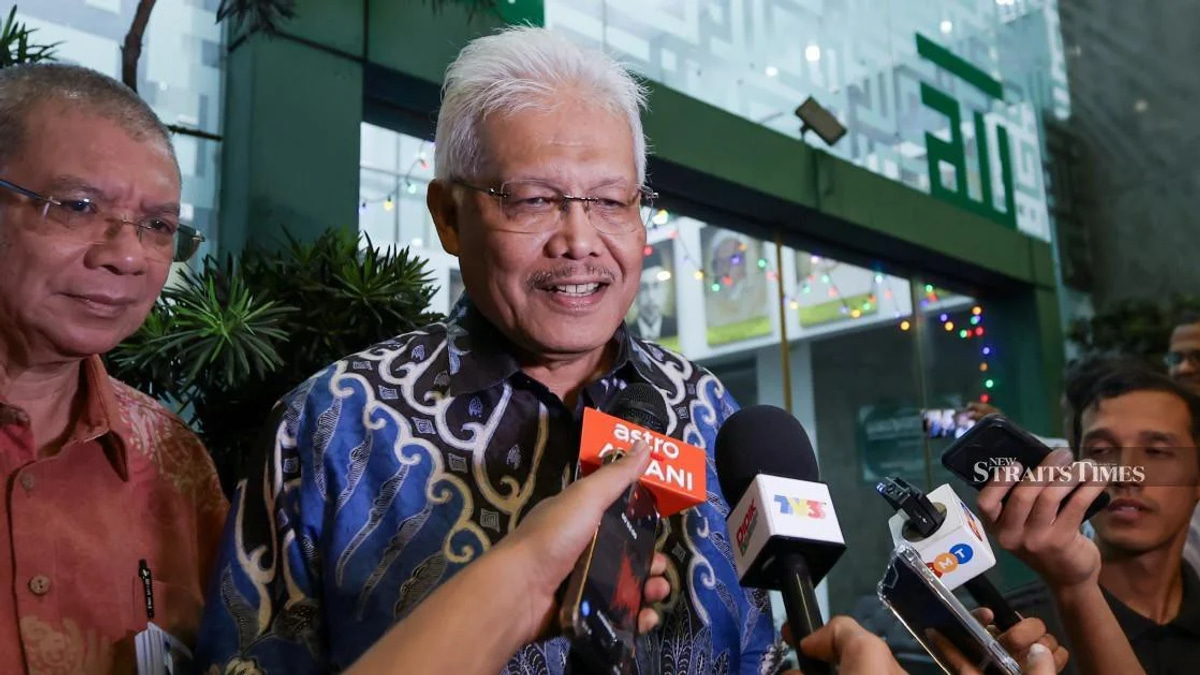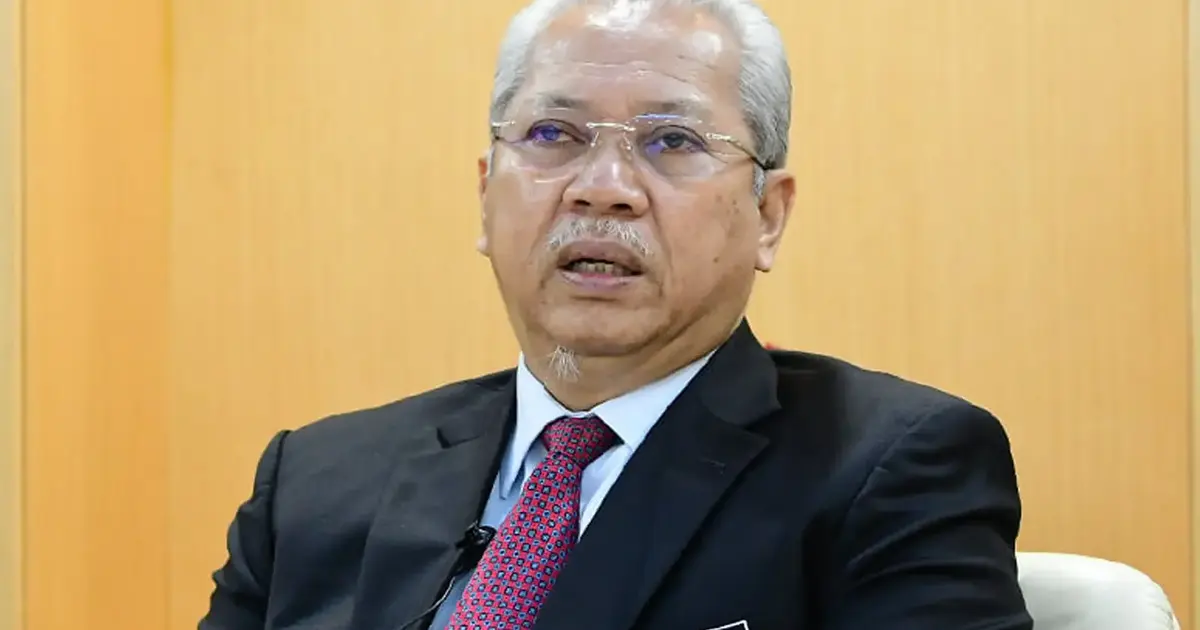
Perikatan Nasional will convene its Supreme Council on Monday to settle outstanding disagreements surrounding the coalition's logo and determine seat distributions for the forthcoming state elections in Johor and Negeri Sembilan. Information chief Annuar Musa indicated that critical questions regarding Bersatu's continued membership in the coalition and the rights to deploy the PN emblem cannot proceed to resolution outside of this formal governance structure.
The timing of this summit reflects mounting tension within the coalition as it prepares for electoral contests that will test the political alignment between PN's component parties. The uncertainty has centred on whether Bersatu, a significant player within the alliance, will maintain its current position or pursue an independent strategy. These deliberations directly impact the practical mechanics of campaigning, as coalition members require clarity on branding and candidate placement to execute effective mobilisation on the ground.
Seat allocation represents another dimension of this Monday's negotiations. The distribution of electoral tickets across Johor and Negeri Sembilan will determine which PN members contest in each constituency, a decision laden with implications for resource deployment and coalition dynamics. A transparent and equitable formula proves essential to prevent perceptions of unfair advantage and preserve cohesion among the alliance's competing interests.
Annuar Musa's statement underscores that internal mechanism—specifically the Supreme Council's constitutional authority—provides the appropriate venue for these determinations. Attempting to resolve such matters through informal channels or via public pronouncements risks deepening divisions and undermining the coalition's institutional credibility. The formal structure demands that all parties present their positions, negotiate competing claims, and arrive at collectively binding decisions.
For Malaysian political observers, the PN situation highlights a broader pattern within multi-party coalitions. Bersatu's potential departure or reorientation would reshape the bloc's parliamentary weight and electoral prospects. The party has previously demonstrated willingness to recalibrate its alliances, making Monday's outcome uncertain. Should Bersatu signal intentions to contest independently or seek alternative partnerships, it would significantly alter the competitive landscape ahead of the state polls.
The logo dispute carries symbolic weight beyond administrative convenience. Coalition symbols represent shared identity and electoral brand recognition among voters. Clarity on logo usage prevents voter confusion and ensures campaign materials project unified messaging. Conversely, internal wrangling over visual identity can communicate weakness to the electorate and undermine confidence in the alliance's stability and coherence.
Johor and Negeri Sembilan represent strategically important battlegrounds within Malaysia's electoral geography. These states have historically demonstrated competitive politics with fluid voter preferences. The PN's performance here will offer early signals about its nationwide acceptability and ability to challenge established rivals. Consequently, seat allocation discussions carry implications extending far beyond state-level politics into the broader question of PN's national positioning and viability as an alternative governing coalition.
The Monday meeting occurs within a context of broader Malaysian political fluidity. The emergence of competing blocs, the recalibration of existing alliances, and the strategic repositioning of individual parties have created an environment where coalition membership remains somewhat volatile. PN's efforts to consolidate internally and present a unified front reflect awareness that electoral success depends on coalition stability and effective coordination among component parties.
Annuar Musa's role as information chief positions him as a key spokesperson for coalition positions and a facilitator of internal communication. His public confirmation that the Supreme Council meeting will address these matters signals that leadership recognises the urgency of resolution. Delayed determinations risk creating campaign disadvantages and demoralising grassroots party workers who require clear guidance on candidate nominations and campaign strategies.
The resolution of these disputes on Monday carries cascading implications for campaign timelines and logistics. Election commissions typically provide specific nomination periods and deadlines for candidate registration. Protracted internal disagreements threaten to compress the timeframe available for campaign preparation, potentially disadvantaging the coalition relative to rivals who have already settled their internal mechanisms. Efficiency in decision-making therefore becomes a competitive advantage in electoral politics.
Looking ahead, the manner in which PN's leadership navigates Monday's discussions will establish precedent for how the coalition handles future disputes. A successful resolution that satisfies major stakeholders will enhance confidence in the coalition's governance structures. Conversely, an outcome perceived as favouring certain parties over others may perpetuate tensions and create lingering resentment that complicates coordination during the campaign period and beyond.
The Supreme Council meeting also serves as a confidence indicator for PN's component parties and supporters. Clear, decisive leadership that produces agreed-upon outcomes reassures stakeholders that the coalition functions effectively despite internal pluralism. This institutional demonstration carries value as the alliance seeks to establish itself as a credible alternative to incumbent political arrangements and convince voters of its capacity to manage governance effectively should it achieve electoral success.