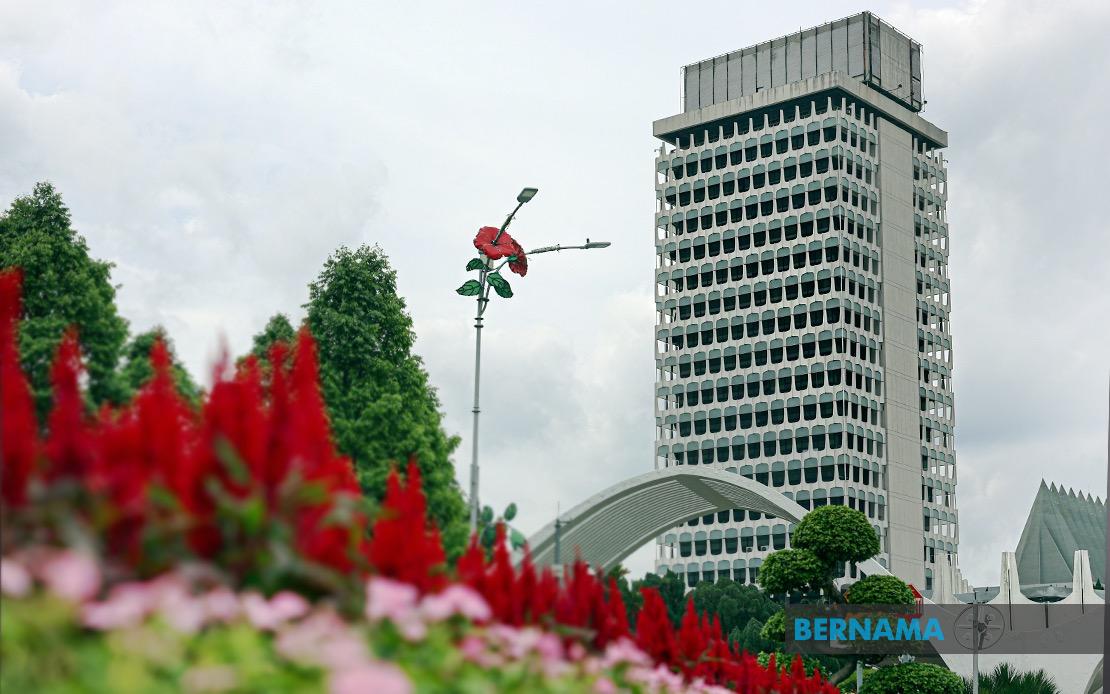
Parliament will resume its legislative agenda on Monday with a 16-day sitting that promises to reignite debate over constitutional reforms and road safety measures. The Second Meeting of the Fifth Session of the 15th Parliament opens against the backdrop of earlier legislative setbacks, as lawmakers prepare to revisit bills that failed to gain sufficient support during the previous parliamentary session. The timing is notable, coinciding with the Johor State Election, which will test the attendance commitment of MPs across the political spectrum.
At the heart of the parliamentary business lies the Constitution (Amendment) Bill 2026, a controversial proposal to impose a 10-year limit on a prime minister's consecutive tenure. This bill represents a significant constitutional undertaking in Malaysia's governance framework, as sitting prime ministers currently face no statutory restriction on their time in office beyond electoral cycles. The measure failed to achieve the requisite two-thirds majority during its previous tabling, reflecting the deep divisions within the Dewan Rakyat on the issue of executive power limitations. Political observers note that the reintroduction of this bill signals determination from its proponents to reshape the constitutional landscape, though its path to passage remains uncertain given the prior defeat.
Equally significant is the Constitution (Amendment) Bill (No. 2) 2026, which proposes separating the offices of Attorney General and Public Prosecutor into distinct positions. Currently, these roles are held by a single individual, a structure that has generated ongoing debate about judicial independence and the concentration of prosecutorial power. The bill previously stalled when referred to the Parliamentary Special Select Committee for deeper examination. This move reflects growing domestic and international interest in strengthening institutional checks and balances within Malaysia's legal framework, a concern that resonates across Southeast Asian democracies grappling with similar governance questions.
Beyond constitutional matters, Transport Minister Anthony Loke is spearheading reforms to the Road Transport Act 1987 through an amendment bill scheduled for introduction on the first day of the sitting and debate on the second. The proposed amendments span 11 distinct areas and modify 42 clauses, representing a comprehensive overhaul of the nation's transport regulations. Loke has emphasised that the changes are essential to combat the persistent threat posed by illegal street racing and to dismantle the operations of 'tonto' syndicates—motorcycle gangs involved in dangerous traffic activities. These amendments carry particular relevance for urban Malaysians, who daily navigate roads where such activities create genuine safety hazards.
The enforcement mechanisms embedded in the transport bill represent a policy shift toward stricter penalties and more robust compliance measures. Authorities have identified illegal racing as a longstanding contributor to road fatalities and injuries, with these activities often concentrated in urban centres and late-night hours. The enhanced regulatory tools are intended to give law enforcement agencies greater leverage in disrupting these operations and holding perpetrators accountable. For Malaysian motorists and residents in areas affected by such activities, these measures promise a tangible improvement in road safety conditions.
Parallel to domestic legislative business, the 16-day sitting will address the geopolitical dimensions affecting Malaysia's energy security. Discussions are scheduled to examine the repercussions of the ongoing West Asian conflict on global energy supply chains and Malaysia's position within those networks. The International energy market volatility triggered by regional instability has direct implications for Malaysian consumers and businesses, influencing fuel prices, power generation costs, and industrial competitiveness. This broader context underscores how parliamentary deliberations increasingly intersect with global economic forces beyond Malaysia's immediate borders.
Dewan Rakyat Speaker Tan Sri Johari Abdul has set clear expectations for parliamentary conduct during the sitting, issuing a pointed reminder that legislators must prioritise their representational duties despite competing political commitments. His statement implicitly references the Johor State Election occurring concurrently, which threatens to divert parliamentary attention toward state-level campaigning. Johari has called for all MPs—government and opposition alike—to maintain attendance and engagement with legislative business rather than exploiting the chamber for partisan political purposes.
The Speaker's emphasis on evidence-based debate reflects frustration with parliamentary proceedings that prioritise rhetorical flourish over substantive policy discussion. Johari has explicitly stated that debates must be grounded in facts and data, with constructive proposals replacing sentiment-driven exchanges that generate heat without illuminating solutions. This call for parliamentary maturity addresses a legitimate concern about the quality of legislative discourse in an increasingly polarised political environment, where competing narratives often overshadow shared national interests.
Johari has also reframed public expectations of parliamentary activity, urging MPs to concentrate their legislative efforts on bread-and-butter issues that directly affect constituent welfare. He specifically mentioned cost of living pressures, educational quality, healthcare accessibility, economic opportunity, and community wellbeing—issues that resonate across Malaysia's diverse demographic and geographic landscape. This framing repositions parliament as fundamentally responsive to citizen concerns rather than as a arena for elite political competition, a philosophical stance that demands accountability from legislators across party lines.
The attendance imperative articulated by the Speaker carries particular weight given Malaysia's experience with parliamentary disruptions and absences affecting legislative productivity. By emphasising that MPs' primary responsibility is to their people—not to external political campaigns—Johari has established a standard against which public accountability can be measured. Voters will likely note which representatives prioritise state election activities over federal legislative sessions, using this information in their assessments of representative performance.
Complementing the Dewan Rakyat sitting, the Dewan Negara will convene for its own 10-day session from July 20 through August 4. This staggered schedule for the upper house allows the two chambers to address complementary aspects of the legislative agenda while maintaining separate proceedings. The Senate's later sitting suggests that certain constitutional amendments may require sequential approval across both chambers, with the lower house establishing the framework and the upper house providing deliberative refinement.
The cybercrime bill also features on the parliamentary agenda, reflecting growing recognition that Malaysia must update its legal framework to address digital-age offences and threats. As Southeast Asia's digital economy expands and citizens increasingly conduct transactions online, the regulatory environment governing cyber activities has become critical infrastructure for economic and social stability. Parliament's attention to this issue demonstrates awareness that technology governance cannot lag behind technological development.
The simultaneous holding of the Johor State Election presents logistical and political challenges to parliamentary operations that extend beyond mere attendance concerns. The emotional and organisational energy devoted to state-level contests may affect the quality of deliberation on complex constitutional and technical matters. Observers will watch whether the presence of this competing political event measurably diminishes parliamentary effectiveness or whether legislators can compartmentalise their commitments successfully.