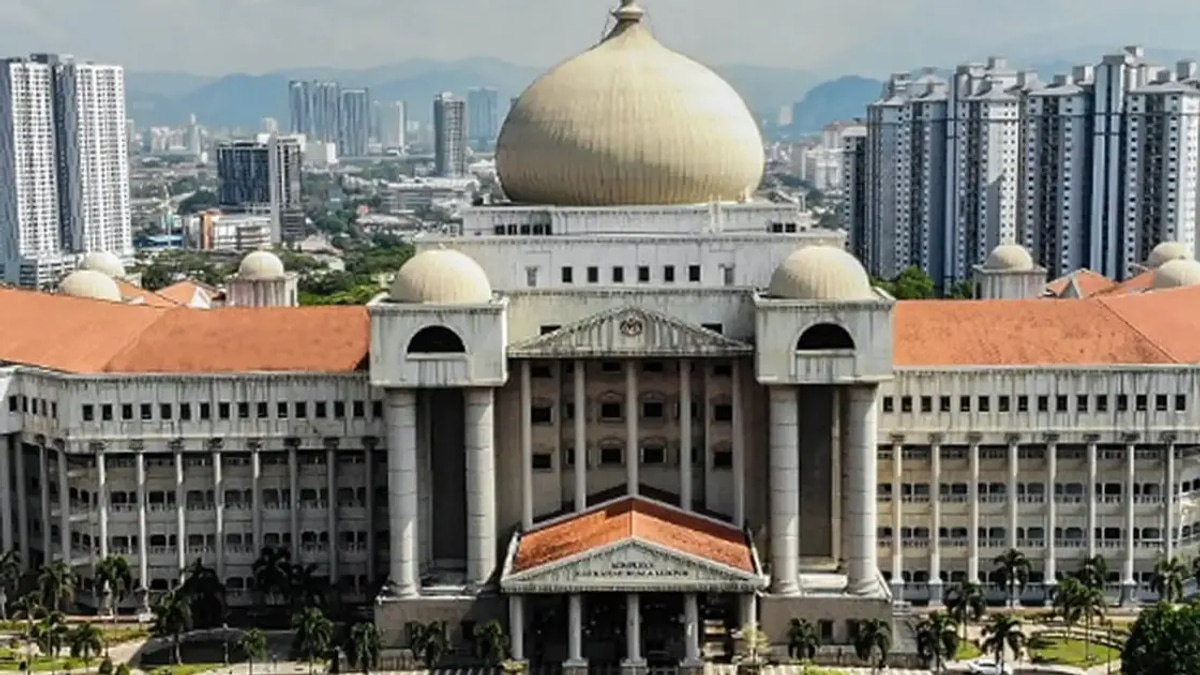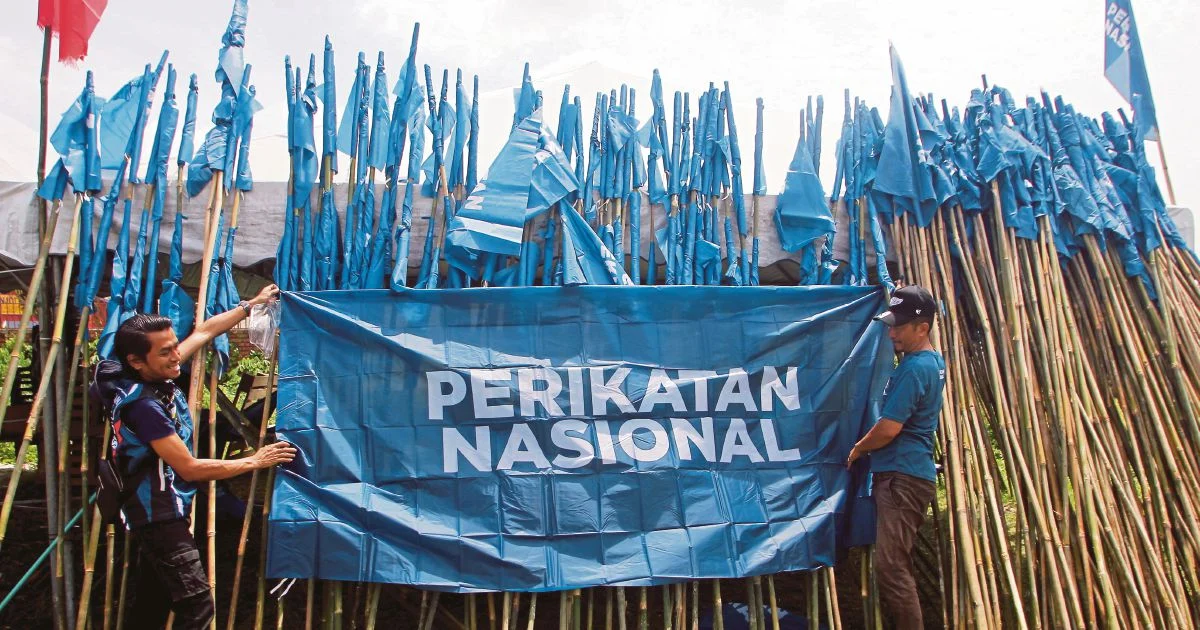
The Perikatan Nasional coalition is set to bring its senior leadership together for a crucial high-level meeting on June 22, where party elders will grapple with several contentious matters that have lingered unresolved within the bloc's internal governance framework. The gathering in Kota Baru will represent a pivotal moment for the opposition alliance, which has faced mounting pressure to present a unified front ahead of anticipated electoral contests that could reshape Malaysia's political landscape.
Among the pressing agenda items, the question of logo utilisation has emerged as a focal point of discord within PN's ranks. The coalition's branding and visual identity carry significant symbolic weight in Malaysian politics, and disputes over who has the right to deploy these emblems can signal deeper fractures in party relationships. Such disagreements often reflect underlying tensions about the distribution of resources, campaign visibility, and the perceived status of individual parties within the broader alliance structure.
The endorsement of candidates represents another critical domain requiring resolution. In multi-party coalitions, the process of selecting which candidates to support and which to field independently becomes a delicate balancing act that determines electoral fortunes. These decisions fundamentally shape how PN's component parties can compete effectively whilst maintaining the coalition's structural integrity and preventing internecine conflict that might undermine collective performance at the ballot box.
For Malaysian readers, PN's ability to resolve these internal contradictions carries substantial implications for the broader political ecosystem. The opposition alliance has positioned itself as a counterweight to the ruling Pakatan Harapan government, and internal cohesion directly affects its capacity to mount effective challenges in constituencies across the country. When coalition partners remain mired in disputes over foundational matters like branding rights and campaign resources, their collective competitiveness diminishes, potentially benefiting incumbent parties.
The timing of this Supreme Council session also warrants attention. Electoral calendars in Malaysia have become increasingly unpredictable, with state elections potentially triggering national-level contests through political realignment or dissolution. By scheduling this high-stakes meeting, PN appears to be attempting to establish clarity and operational readiness before such opportunities arise. This proactive stance suggests the coalition recognises the urgency of resolving outstanding grievances before campaign seasons commence in earnest.
Peikatan Nasional itself comprises multiple parties, each wielding different levels of influence and commanding distinct electoral bases across the nation. The PAS party dominates in certain regions, whilst other coalition members hold significant support in different states and constituencies. This geographic and demographic fragmentation makes coordinated decision-making essential but inherently complex. Logo usage and candidate endorsements become proxy battles through which individual parties negotiate their position within the hierarchy of coalition politics.
The Kota Baru location carries its own significance within Malaysian political geography. Kelantan, the state where this meeting will occur, represents a stronghold of PAS influence, reflecting the dominant position this particular coalition member occupies within PN's organisational structure. This choice of venue itself communicates a message about power dynamics and the relative influence of different parties within the alliance framework.
Regional observers across Southeast Asia have watched Malaysia's opposition coalitions with considerable interest, as they provide instructive examples of how multi-party alliances function and evolve in competitive democratic systems. PN's ability to resolve internal disputes without fracturing entirely offers lessons about the viability of opposition politics in the Malaysian context. Conversely, failure to achieve consensus on fundamental matters could trigger broader realignments that reshape the political marketplace across the region.
For investors and business leaders monitoring Malaysia's political developments, coalition stability matters considerably. Uncertainty about opposition credibility and coherence can influence market confidence, exchange rates, and long-term investment decisions. Clear resolution of the pending logo and endorsement disputes would signal institutional maturity and planning capability that extend beyond mere electoral competition into broader governance readiness.
The June 22 Supreme Council meeting therefore represents far more than a routine administrative gathering. It encapsulates the genuine challenges confronting opposition politics in Malaysia, where diverse parties must forge unity despite divergent interests and organisational cultures. The outcome will likely reveal whether PN possesses the institutional mechanisms and political will required to function as an effective counterbalance to incumbent government structures.
These deliberations also occur within a broader context of Malaysian electoral dynamics, where state-level contests frequently serve as barometers of national political sentiment and testing grounds for coalition strategies. The resolution of logo and endorsement matters will determine how effectively PN can mobilise its resources and present coherent messaging across these critical contests. Success in untangling these disputes could substantially enhance the coalition's electoral prospects and strengthen its negotiating position should coalition-building discussions emerge following future electoral outcomes.