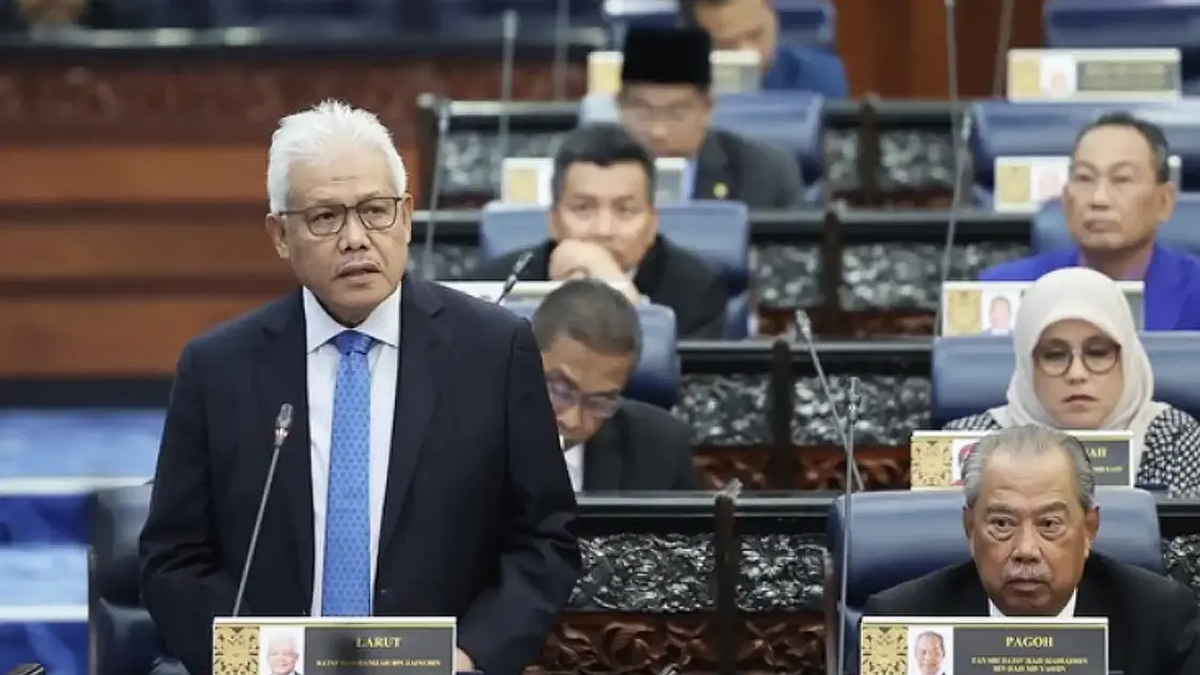
Discussions are underway involving prominent figures from both Pakatan Harapan and Umno regarding possible membership in Bersama, according to PKR Deputy Chief Rafizi Ramli, raising fresh questions about the trajectory of Malaysian coalition politics as the nation navigates the post-2023 political landscape.
Rafizi's disclosure indicates that the informal exploratory talks span across Malaysia's traditionally opposing political camps. The development signals a willingness among certain quarters within both major coalitions to explore alternative political arrangements, even as the formal structures of Pakatan Harapan and Barisan Nasional remain intact. Bersama, which emerged as a political alliance in recent years, represents a relatively newer platform that has attracted attention from various political actors seeking fresh institutional frameworks for collaboration.
The potential influx of established political personalities into Bersama could fundamentally alter the composition and influence of the alliance. For Pakatan Harapan, which currently dominates federal government structures, the movement of coalition members toward alternative arrangements reflects possible dissatisfaction with current power-sharing arrangements or strategic calculations about future electoral prospects. Such developments are not uncommon in Malaysian politics, where fluid coalitional dynamics often precede significant structural reorganisation.
For Umno, similarly, the exploration of membership in Bersama may indicate strategic positioning in anticipation of significant political shifts. The party has long maintained complex relationships with multiple political platforms, and engagement with emerging alliances serves as a hedge against uncertain electoral futures and as a mechanism for maintaining political relevance amid shifting voter preferences. These moves suggest leadership elements within Umno are calculating contingencies beyond their current alignment within Barisan Nasional structures.
The timing of these discussions carries significant implications for Malaysian politics. The nation faces municipal elections, state-level contests, and eventually another general election within the next few years. Coalition leaders typically assess alliance structures in light of anticipated electoral dynamics and internal party politics. The fact that multifront engagement is occurring suggests political players are hedging their bets across multiple platforms simultaneously, a characteristic feature of Malaysian political strategy.
Bersama's attractiveness as an alternative institutional framework lies partly in its relative newness and perceived flexibility compared to the more entrenched structures of Pakatan Harapan and Barisan Nasional. Newer platforms often promise less encumbered decision-making processes and more equitable power-sharing formulas, particularly appealing to political figures who feel constrained within existing hierarchies. Additionally, Bersama may represent a middle ground for leaders uncomfortable with their current coalition positions but hesitant to make outright party switches.
The implications for Pakatan Harapan are noteworthy. Should prominent coalition members pursue Bersama membership, the federal government could face internal complications in executing legislative agendas or maintaining cabinet cohesion. The coalition has already navigated considerable internal tensions regarding ministerial allocations and policy direction, and parallel memberships in alternative alliances could exacerbate these strains. Conversely, some observers argue that such flexibility may actually stabilise Malaysian politics by creating multiple avenues for compromise and coalition-building.
For Southeast Asia's broader political landscape, these developments merit attention. Malaysia's coalition dynamics often signal trends affecting regional stability and cross-border political communication. Fluidity in Malaysian political alignments can influence how the country engages with regional organisations and coordinates positions on transnational issues ranging from trade negotiations to security matters. Coalition partners at domestic level frequently collaborate on regional initiatives, making shifts in domestic arrangements consequential for ASEAN-wide coordination.
The government's stability ultimately depends on whether Bersama recruitment remains limited to exploratory discussions or whether it materialises into substantial defections from existing coalitions. Rafizi's public acknowledgement of these conversations suggests the discussions have reached a sufficiently advanced stage to warrant transparency, though the actual number of politicians involved and the concrete nature of their commitment remain unclear. This ambiguity itself reflects the tentative character of preliminary alliance discussions in Malaysian politics.
Moving forward, careful observation of which specific political figures formally pursue Bersama membership will illuminate the underlying motivations driving these coalition movements. Whether the initiative represents opportunistic positioning ahead of electoral contests, principled disagreement with current coalition directions, or calculated risk management remains to be clarified through subsequent political developments. The trajectory of these discussions will shape not only internal Malaysian political configurations but potentially influence how the country navigates pressing regional challenges requiring unified national positions.
Ultimately, Rafizi's disclosure underscores the contingent and strategic nature of Malaysian coalition politics, where formal alignments coexist with fluid informal networks and exploratory ventures. These dynamics reflect both the competitive vitality of Malaysia's democratic system and the ongoing challenge of achieving stable political majorities capable of implementing coherent policy agendas over extended timeframes.