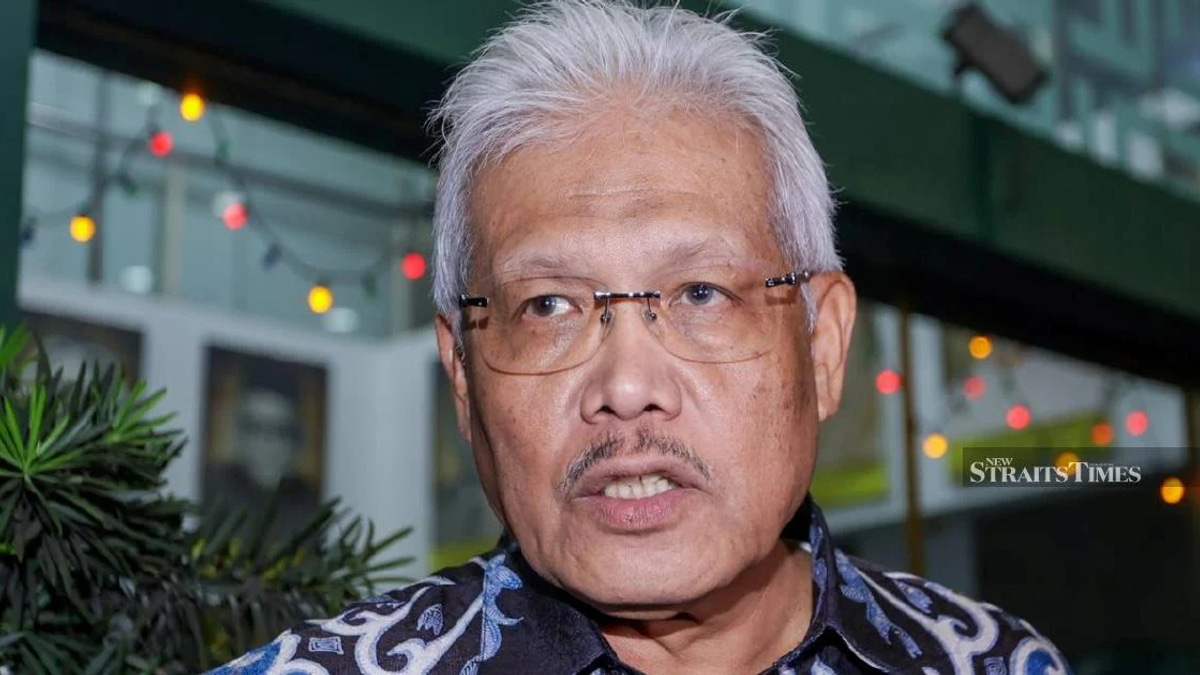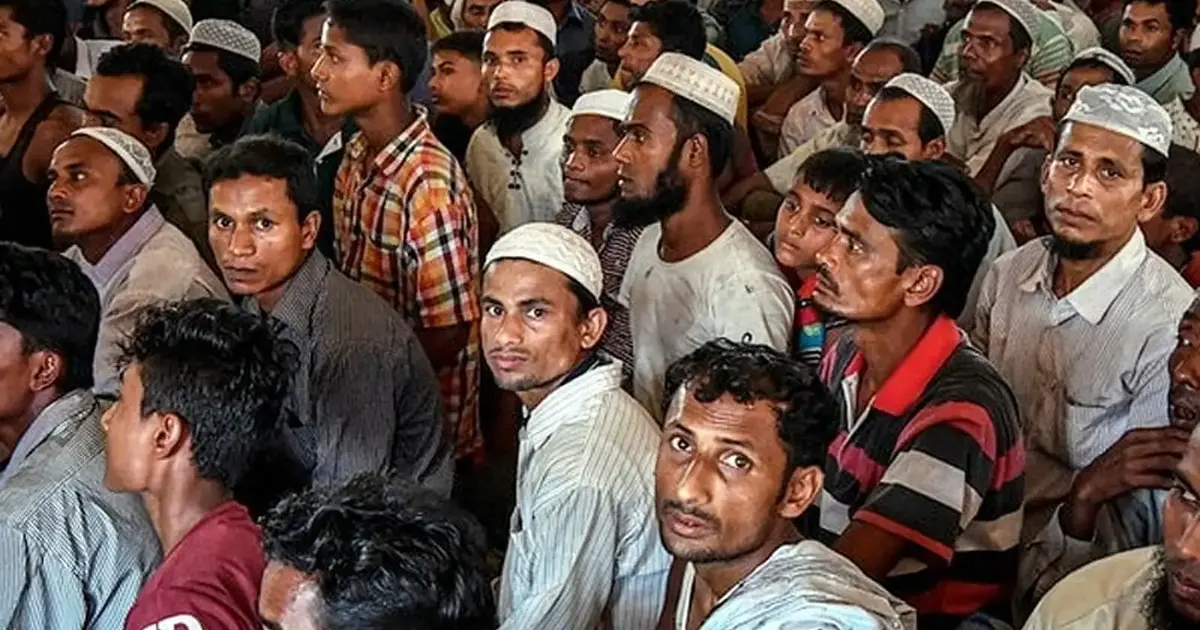
The Rohingya Ulama Council has categorically dismissed reports suggesting members of the Rohingya community in Malaysia are actively seeking citizenship status, with the organisation's leadership attributing such narratives to a deliberate campaign of misinformation. Rahimullah Hussain, who chairs the council, expressed frustration over what he characterised as baseless allegations designed to galvanise prejudice against an already vulnerable population. His statement underscores the persistent challenge facing Myanmar's stateless Muslim minority as they navigate life in displacement, caught between restrictive host-country policies and mounting scrutiny from local communities.
The timing of these allegations reflects broader regional anxieties surrounding refugee populations and questions of integration. Malaysia, which hosts one of the world's largest concentrations of Rohingya refugees, has long maintained an official position of non-acceptance regarding permanent settlement or naturalisation. The government treats Rohingya arrivals as temporary populations pending eventual repatriation to Myanmar—a politically fraught scenario given the military junta's continued persecution of the group. This policy stance, while publicly consistent, creates significant legal and social limbo for hundreds of thousands of individuals who have spent years or even decades in the country without access to formal citizenship pathways.
Rahimullah's denial carries particular weight given his role within the Rohingya community's institutional structures. The Ulama Council serves as a quasi-official representative body for religious and communal matters, positioning its leadership as a critical intermediary between the refugee population and Malaysian authorities. By issuing a formal refutation, the council seeks to distance the community from claims that might further inflame already tense relations with segments of Malaysian society that view the Rohingya presence with apprehension. This defensive posture suggests that such allegations, whether originating from fringe actors or organised pressure groups, carry sufficient resonance to warrant an institutional response.
The characterisation of these claims as "fabricated" points to a deliberate strategy of portraying the Rohingya through a lens of threat and illegitimate ambition. Such narratives often conflate humanitarian asylum-seeking with covert attempts at demographic change or resource capture—framings that echo xenophobic discourses seen across Southeast Asia and globally. By labelling the allegations as purposefully constructed falsehoods rather than genuine policy concerns, Rahimullah implicitly highlights how anti-refugee rhetoric relies on distortion rather than factual analysis of community intentions or actions.
The broader context of these claims extends beyond Malaysia. Throughout Southeast Asia, Rohingya populations face persistent marginalisation and securitisation. Bangladesh, which hosts the world's largest Rohingya refugee camps, grapples with mounting social tension and infrastructure strain. Thailand has alternated between deportations and temporary tolerance. Indonesia has seen periodic maritime incidents involving Rohingya boat arrivals. Within this regional climate of restrictive policies, Malaysia's unofficial tolerance—granting limited access to education and healthcare while denying formal status—represents a middle ground that satisfies neither refugee advocates nor sceptical populations.
The council's response also implicitly acknowledges the vulnerability of the Rohingya community to political weaponisation. False or exaggerated claims about refugee behaviour, intentions, or demands have historically served as mobilising narratives for nationalist movements and anti-migration advocacy. In Malaysia's context, where communal tensions occasionally surface along religious and ethnic lines, allegations framing Rohingya as seekers of special status or demographic advantage could potentially trigger disproportionate policy responses or social backlash. The council's preemptive denial thus serves a protective function, attempting to insulate the community from emerging narratives before they calcify into public perception.
Citizenship status itself remains a fraught concept for stateless populations like the Rohingya. The 1951 Refugee Convention establishes a responsibility for host nations to facilitate naturalisation pathways, yet most receiving countries, particularly in Asia, resist this obligation. Malaysia has made no commitment to such a framework. The reality faced by Rohingya in Malaysia—restricted movement, limited employment access, and educational barriers—exists precisely because they lack citizenship and formal status. Ironically, even raising the possibility of citizenship-seeking triggers defensive reactions from both host society and refugee communities, reflecting how deeply exclusion has embedded itself within policy and public discourse.
The statement from Rahimullah represents an attempt to reset the narrative around Rohingya integration into Malaysian society. Rather than defending community aspirations for equal rights or formal belonging—positions that might be portrayed as demands—the council's approach centres on categorical denial and accusations of bad faith. This rhetorical strategy, while understandable given structural constraints, also reveals how stateless populations must constantly defend themselves against phantom accusations rather than advocate openly for their own welfare and dignity. The council's position essentially concedes that open citizenship-seeking would be untenable, leaving the community to operate within narrow parameters of acceptability defined by host-country sensibilities.
Looking forward, the persistence of such allegations suggests that questions about Rohingya integration will continue to occupy Malaysian public discourse regardless of community leadership responses. As Malaysia transitions toward greater labour-market integration of migrant populations and evolving social attitudes, the Rohingya question will likely remain contentious. The council's denial, while forceful, addresses symptoms rather than underlying structural inequalities that drive both refugee desperation and host-society anxiety. Achieving more stable arrangements for this population will require broader regional consensus and international support—outcomes that remain distant given current geopolitical alignments and domestic political pressures across Southeast Asia.