%22%2F%3E%3C%2Fpattern%3E%3C%2Fdefs%3E%3Crect%20width%3D%22100%25%22%20height%3D%22100%25%22%20fill%3D%22url(%23ph2wtq6g)%22%2F%3E%3Crect%20width%3D%22100%25%22%20height%3D%22100%25%22%20fill%3D%22url(%23ph2wtq6p)%22%2F%3E%3Ctext%20x%3D%2250%25%22%20y%3D%2250%25%22%20text-anchor%3D%22middle%22%20dominant-baseline%3D%22central%22%20fill%3D%22rgba(255%2C255%2C255%2C0.95)%22%20font-family%3D%22Georgia%2C%20'Times%20New%20Roman'%2C%20serif%22%20font-weight%3D%22700%22%20font-size%3D%22320%22%20letter-spacing%3D%22-0.02em%22%3ETV3%3C%2Ftext%3E%3C%2Fsvg%3E)
Television broadcaster TV3 has retained its HAWANA-DBP Pantun Festival championship, cementing its dominance in what has become an eagerly anticipated showcase of traditional Malay verse-making talent within Malaysia's media fraternity. The competition, held as part of the broader HAWANA 2026 celebrations honouring National Journalists' Day, saw TV3's four-member squad triumph over seven other competing teams, with the Malaysian National News Agency (Bernama) securing the runner-up position.
The victory caps a remarkable achievement for TV3, which successfully defended the title it first claimed in the inaugural edition held the previous year. The championship squad brought together Mohammad Nor Affiq Norshamsudin, Mohd Safwan Sawi, Azrin Md Isa, and Mohamed Hirsham Azmi, whose collective performance proved superior to rivals across the weekend competition. The composition of the winning team underscores how specialist talent within the media industry continues to master the classical art form, maintaining pantun's relevance in contemporary Malaysian culture.
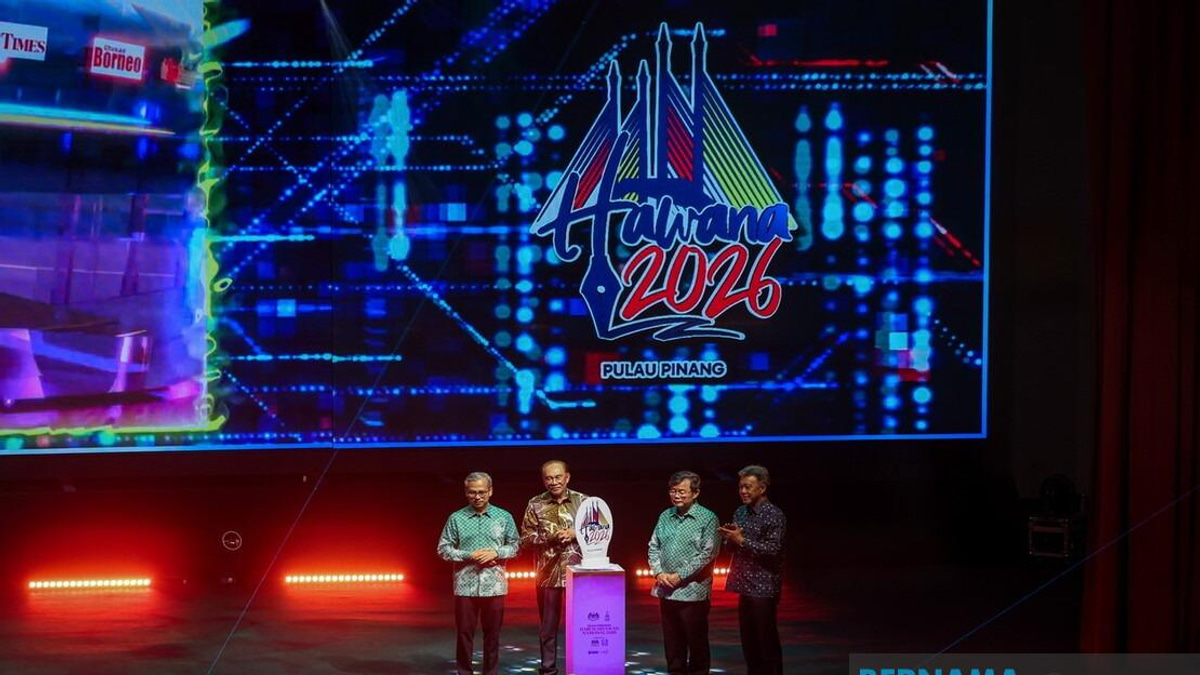
The prestige surrounding the championship elevated considerably when Prime Minister Datuk Seri Anwar Ibrahim personally presented the prizes at the HAWANA 2026 main event, held at the PICCA Convention Centre @ Butterworth Arena. The presence of senior government figures—including Penang Chief Minister Chow Kon Yeow, Communications Minister Datuk Fahmi Fadzil, and Bernama chairman Datuk Seri Wong Chun Wai—underscored official recognition of journalism's cultural significance and the importance placed upon preserving traditional Malaysian artistic expression within professional media circles.
Beyond the honour of victory, TV3's triumph yielded substantial tangible rewards. The broadcaster secured RM3,000 in prize money along with a championship trophy and participation certificates, while Bernama's second-place finish earned the news agency RM2,000 in cash alongside its own trophy. Radio Televisyen Malaysia (RTM) placed third in the overall standings, with Berita Harian claiming fourth position among the full complement of eight teams that participated in the festival.
Individual excellence within the competition was also recognised and celebrated separately from team achievements. Muhammad Syukri Khairulannuar, representing Bernama, received the Best Pantun Performer award, acknowledging his standout technical mastery and artistic interpretation of the classical verse form. Concurrently, the Department of Islamic Development Malaysia (JAKIM) team earned the Best Attire Award, highlighting how the festival integrates aesthetic presentation with competitive performance standards.
The festival itself drew participation from thirty-two performers across the competing teams, demonstrating substantial engagement from Malaysia's media sector in this traditional cultural competition. The pantun competition was staged at Panggung Sari within Kompleks Kraf Kuala Lumpur on May 9, serving as an official curtain-raiser event for the broader HAWANA 2026 festivities. This positioning within the wider celebration calendar reflects how pantun performance has become embedded within journalism's professional calendar and identity.
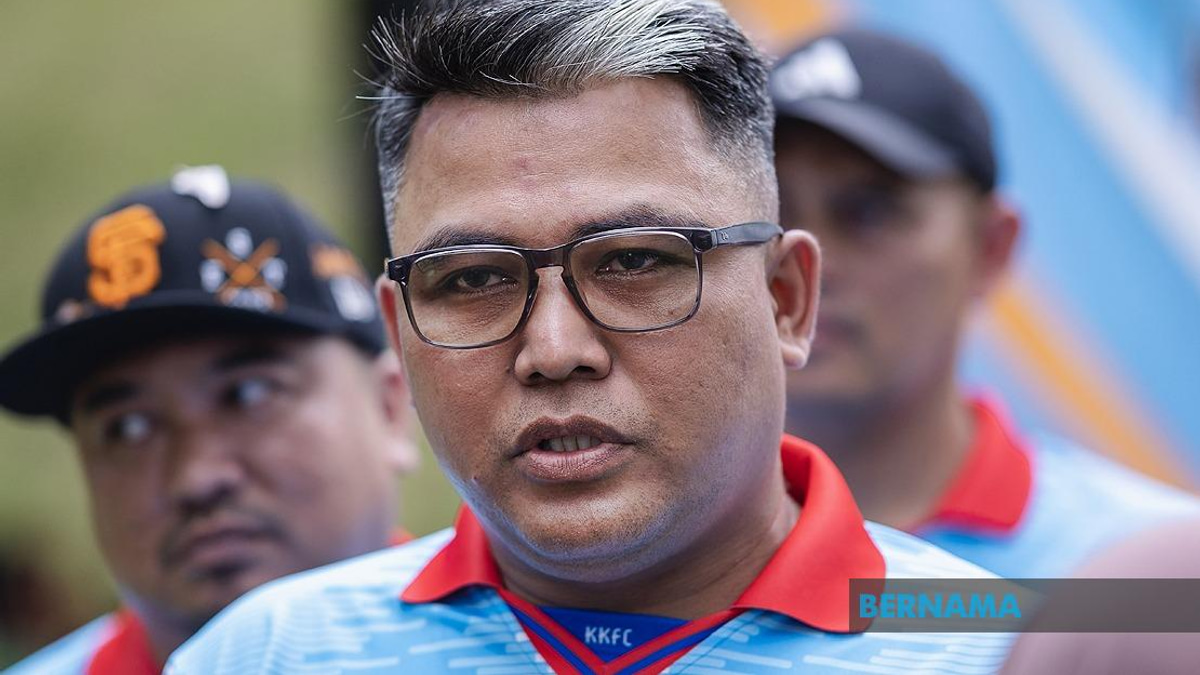
TV3's team leader Mohammad Nor Affiq attributed the victory to collective effort and external encouragement that steeled the team's resolve during preparation phases. He acknowledged the psychological weight of defending a championship title, particularly given heightened expectations following the inaugural success. His acknowledgment of mentor Ahmad Fedtri Yahya, a television host whose expertise apparently extended to coaching pantun performance, illustrates the informal knowledge networks that sustain competitive excellence within media institutions. Affiq's public gratitude extended beyond his immediate team to encompassing family supporters and broader well-wishers whose encouragement sustained morale throughout the competitive campaign.
Bernama's runner-up position, while not yielding first place, evidently motivated the agency's team leadership toward strategic improvement for future competitions. Team leader Muhammad Syukri framed the loss as a constructive opportunity rather than a defeat, committing his organisation to systematic analysis of performance weaknesses and targeted remediation before the next festival edition. This forward-looking stance suggests professional rivalry within the HAWANA-DBP framework remains cordial and improvement-oriented rather than acrimonious, preserving collaborative spirit among Malaysia's media organisations.
The broader HAWANA 2026 festival itself operates under the thematic umbrella of 'Media Integrity Strengthens Credibility,' reflecting sector-wide concerns regarding journalism's standing and reliability in the contemporary information environment. The Ministry of Communications collaborates with Bernama as implementing agency to orchestrate what has grown into Malaysia's largest gathering of media professionals. These grand finale events serve to publicly acknowledge journalists' contributions toward national development while celebrating the professionalism that sustains the profession's institutional legitimacy.
The HAWANA-DBP Pantun Festival represents a distinctive fusion of journalism and traditional Malaysian culture, creating a cultural space where media professionals demonstrate mastery of classical artistic forms. Rather than treating journalism and traditional arts as separate domains, the festival integration acknowledges how cultural literacy and appreciation for traditional expression constitute important dimensions of professional media identity. For practitioners like TV3's champion team, excellence in pantun performance extends their professional profile beyond news gathering and broadcasting into cultural stewardship.
The festival's competitive structure generates ongoing incentives for Malaysian media organisations to invest in maintaining pantun expertise among their staff, ensuring this classical verse form remains culturally vibrant within professional sectors that command significant public platforms. Television, radio, and news agency professionals who develop pantun competency effectively become cultural ambassadors for the form, modelling its contemporary relevance and accessibility to broader audiences who might otherwise perceive the art form as historically distant. This democratising effect within prestigious professional contexts helps sustain intergenerational transmission of pantun knowledge and performance skills.
Moving forward, the HAWANA-DBP framework appears positioned to remain a significant annual fixture within Malaysia's media calendar, maintaining competitive momentum while celebrating journalism's cultural dimensions. TV3's successful defence of its championship status establishes a competitive standard that other media organisations will work to match or surpass, ensuring continued excellence in the festival's pantun performances. For Malaysian audiences, the prominence accorded to pantun performance within professional journalism spheres signals cultural continuity and the enduring vitality of traditional artistic expression within modern institutional contexts.